

In today’s fast-paced world, many people sacrifice sleep to meet work, study, or social demands. While staying up late may seem harmless, sleep is essential for physical, mental, and emotional well-being. Lack of quality sleep affects health, productivity, and overall happiness.
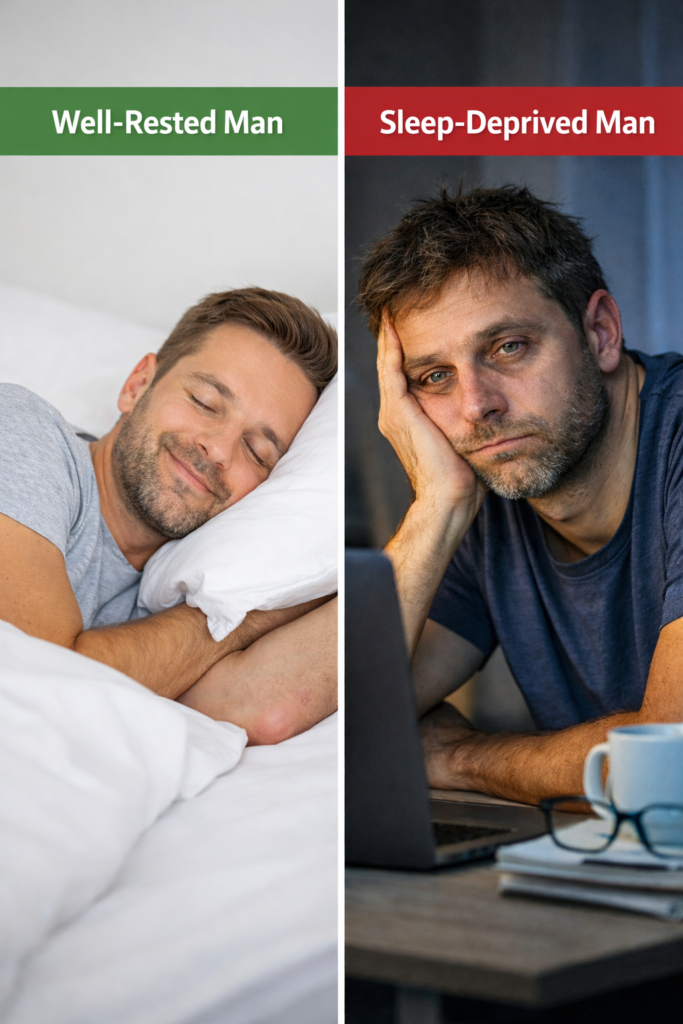
You can survive without many things — but without quality sleep, your mind weakens, your immunity drops, and your future health pays the price. One night of quality sleep can boost your immune system, sharpen your focus, and recharge your body — but sleep deprivation silently steals your health.
Sleep is one of the most essential natural phenomena in human life, yet in today’s fast-paced world, it is often overlooked. Every night, the human body enters a complex biological process that restores energy, strengthens immunity, and repairs tissues, making sleep indispensable for physical health. Beyond the body, sleep plays a critical role in mental well-being, helping the brain process memories, regulate emotions, and improve cognitive functions such as focus, creativity, and decision-making. The circadian rhythm, the body’s internal clock, orchestrates this natural sleep cycle, guiding when we feel alert and when we feel sleepy. Disruptions to this rhythm, caused by late-night screen time, irregular schedules, or excessive stress, can lead to chronic fatigue, mood swings, and a higher risk of serious health issues, including cardiovascular disease, diabetes, and obesity. Scientific studies reveal that adults require 7 to 9 hours of quality sleep each night to maintain optimal functioning, while children and teenagers need even more to support growth and brain development. Embracing good sleep hygiene—such as creating a calm, dark sleeping environment, limiting caffeine intake, and maintaining consistent sleep and wake times—can significantly enhance both physical vitality and mental clarity. Moreover, sleep is a natural reset for the body and mind, offering a daily opportunity to recharge and face challenges with improved resilience. In essence, understanding sleep as a fundamental biological need, rather than a luxury, is key to achieving long-term health, productivity, and happiness. Prioritizing this natural phenomenon is not just a lifestyle choice—it is an investment in one’s overall quality of life.
1. Physical Health Benefits

Quality sleep fuels physical performance, strengthens immunity, and keeps your body ahead of the competition.
Sleep allows the body to repair and restore itself:
- Strengthens the immune system
- Repairs muscles and tissues
- Regulates hormones related to growth, appetite, and stress
Without enough sleep, the body becomes more prone to illness, fatigue, and long-term health problems.
sleep, the body enters a powerful recovery phase where muscles repair, tissues regenerate, and cells rebuild after daily stress and physical activity. This natural restoration process is essential for muscle growth, athletic performance, and injury prevention. Quality sleep also strengthens the immune system by promoting the production of infection-fighting cells, helping the body defend against viruses, inflammation, and chronic disease. In addition, proper sleep regulates critical hormones such as cortisol, insulin, growth hormone, and appetite-controlling hormones like leptin and ghrelin. When sleep is disrupted, hormonal imbalance can lead to weight gain, fatigue, high blood pressure, and increased risk of diabetes and heart disease. Adequate sleep also supports cardiovascular health by lowering stress levels and allowing the heart to rest and recover overnight. Research consistently shows that adults who get 7–9 hours of restorative sleep experience better physical endurance, faster reaction times, and improved metabolic function. Simply put, sleep is not passive rest — it is an active biological process that strengthens the body, protects long-term health, and enhances daily physical performance.
2. Mental and Emotional Well-Being
Quality sleep improves brain function and emotional stability:
- Enhances memory and learning
- Increases focus and concentration
- Reduces stress, anxiety, and mood swings
A tired mind struggles to think clearly and make good decisions.
3. Productivity and Performance
People who sleep well are more productive and creative. Lack of sleep reduces efficiency at work or school, increases mistakes, and lowers problem-solving ability.
4. Sleep and Weight Management
Poor sleep affects metabolism and appetite hormones, often leading to weight gain. Adequate sleep supports healthy eating habits and energy balance.
5. Tips for Better Sleep
- Maintain a consistent sleep schedule
- Avoid screens and bright lights before bedtime
- Create a calm, dark, and quiet sleeping environment
- Limit caffeine and heavy meals at night
- Practice relaxation techniques like deep breathing or meditation
6. The Modern Challenge
Modern life’s demands, stress, and technology often interfere with sleep. Prioritizing sleep is not a luxury — it is essential for health, happiness, and long-term success.
Conclusion
Sleep is a vital part of life that affects every aspect of health and well-being. By making simple changes to daily habits and prioritizing rest, we can improve mental clarity, emotional balance, and physical health. Good sleep is the foundation of a happier, healthier, and more productive life.