

Introduction
Diego Armando Maradona was not just a footballer; he was a cultural force, a rebel hero, and a symbol of struggle for millions around the world. Born into poverty and raised in the harsh realities of Buenos Aires, Maradona’s life reflected the story of a warrior — rising from the streets to conquer the global stage, carrying both genius and pain within him.
Like The Ultimate Warrior, Maradona’s story is not about perfection, but about resistance, survival, and legacy.
Early Life: A Child from the Streets
Diego Maradona was born on October 30, 1960, in Villa Fiorito, one of Argentina’s poorest neighborhoods. His family struggled to survive, and football became his escape from hunger, hardship, and hopelessness.
From an early age, Maradona showed extraordinary talent. He played barefoot on dirt fields, yet his control of the ball felt magical. Football was not entertainment for him — it was hope.
👉 This early struggle shaped the warrior mentality that defined his life.
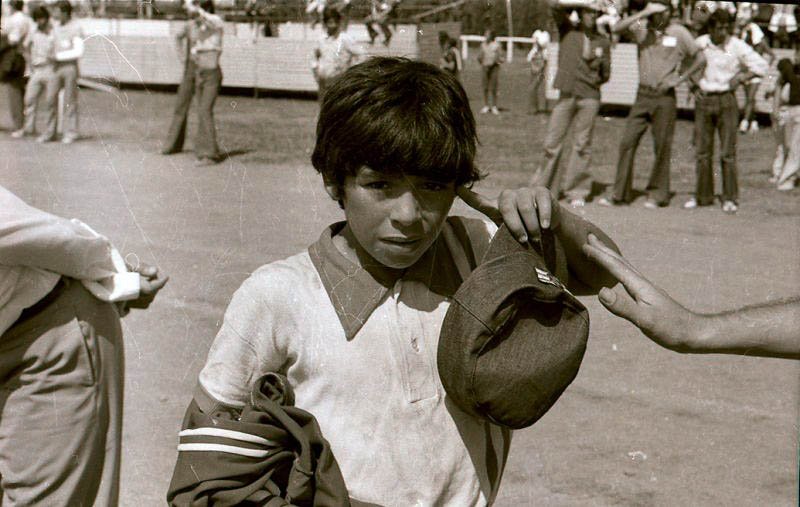
Maradona playing at the Torneos Evita in 1973 (a national sporting event in Argentina) with the “Cebollitas”
Rise to Glory: The World Sees a Legend
Maradona’s rise was rapid and unstoppable. By the age of 16, he debuted for Argentina’s national team. His defining moment came during the 1986 FIFA World Cup, where he led Argentina to victory almost single-handedly.
That tournament gave the world:
- The Hand of God
- The Goal of the Century
But beyond goals, Maradona represented defiance — a small man challenging powerful systems and elite nations.
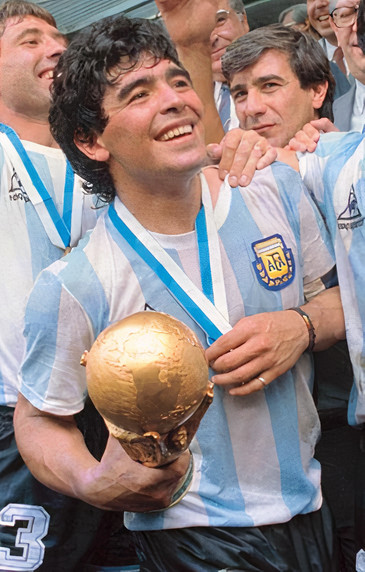
Maradona celebrating during the 1986 World Cup
(Alt text: Diego Maradona 1986 World Cup Argentina)
Naples: When Football Became Identity
In Italy, Maradona transformed Napoli, a poor southern club, into champions. For Naples, he wasn’t just a player — he was a savior.
The city saw itself in him:
- Ignored by elites
- Disrespected by the north
- Yet powerful when united
Maradona gave dignity to the forgotten.
This is where he truly became a cultural icon, not just a sports star.
The Inner Battle: Fame, Addiction, and Pain
Behind the glory was a man fighting himself. Fame, pressure, and addiction slowly consumed Maradona. Cocaine abuse, health issues, and controversies followed him throughout his career.
Yet, even in his downfall, people didn’t abandon him — because they saw their own struggles in his.
Like every true warrior, his battle was not only external, but deeply internal.
Maradona and Cultural Resistance
Maradona openly spoke against injustice, imperialism, and exploitation. He aligned himself with the poor, criticized global powers, and refused to be silent.
This made him:
- Loved by the masses
- Hated by institutions
He was never neutral — and that made him real.
👉 This rebellious spirit connects deeply with stories like The Ultimate Warrior, where strength is defined by standing against oppression.
(Internal link opportunity here)
Death and Immortality
Diego Maradona passed away on November 25, 2020, but his death did not end his story. Murals, songs, documentaries, and memories keep him alive.
For millions, Maradona is:
- A symbol of hope
- A flawed hero
- A warrior who fought life on his own terms
Legends do not die — they transform into stories.
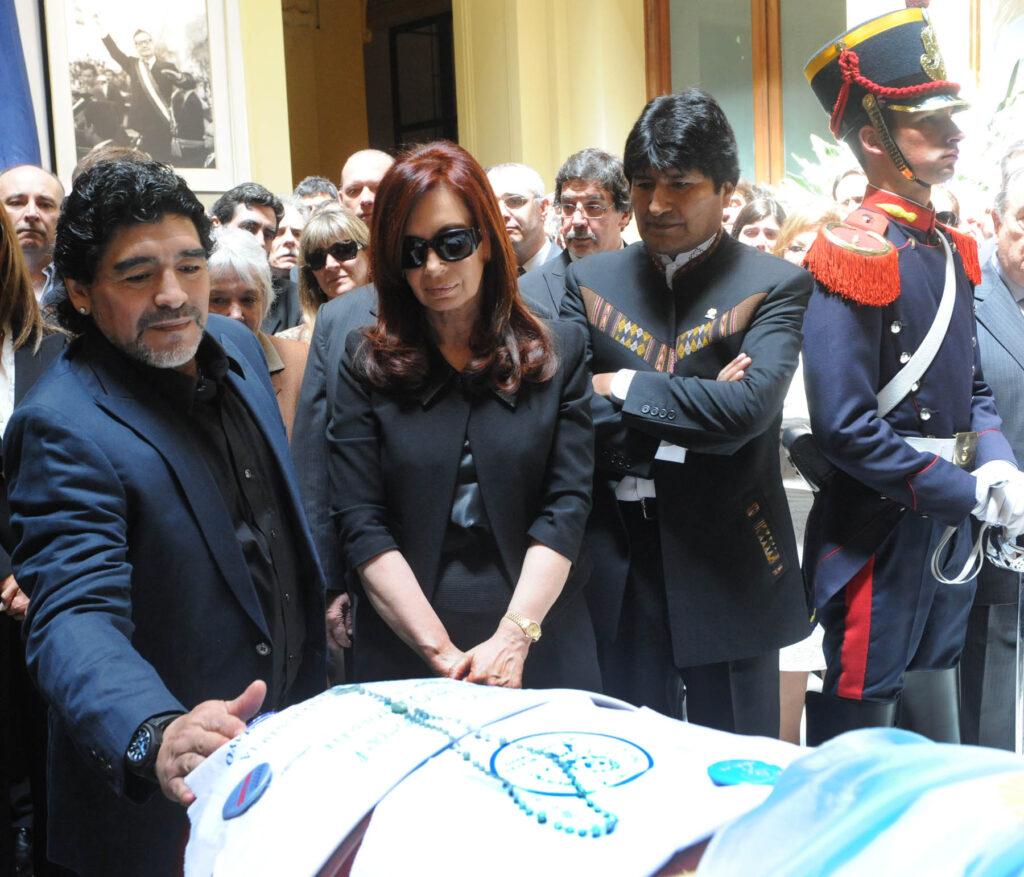
Maradona, then-president Cristina Fernández de Kirchner and Evo Morales, at the funeral of former President of Argentina Néstor Kirchner, 28 October 2010
Conclusion
Diego Maradona was never perfect — and that is exactly why he mattered. His life teaches us that greatness can rise from pain, that resistance has a cost, and that warriors are often broken people who refuse to surrender.
In culture and history, Maradona stands not as a saint, but as a human warrior — unforgettable, unstoppable, and eternal.