

In the early 1980s, a river — more like an ocean channel — ran near my home, winding across the city in a snake-like path. This natural stream carried water from one end of the city to the other, playing a crucial role in draining rainwater during the monsoon season. To protect the city from floods, the government built strong banks on both sides of the river.
Beyond its practical purpose, the river flowed through a lush green valley that looked like a dreamland, attracting everyone with its beauty. This vibrant stretch was not only a natural picnic spot for nearby residents but also the habitat of thousands of species, almost like a miniature jungle thriving alongside the water.
Unique Fish in the Streamline
The stream was also a natural habitat for a unique type of fish not found in the open sea, locally known as the black sole. These fish ranged in size from very small to nearly 2 kilogram and were especially valued for their distinctive taste, similar to saltwater fish. The presence of black sole made the river even more special. Every day, retired people and elderly residents would visit the area to catch fish, walk through the greenery, and spend peaceful hours near the small jungle that thrived along the riverbanks.
Special Birds in the Air
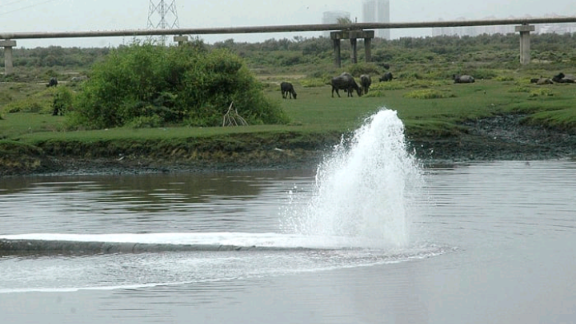
The river and its surrounding greenery were alive with birds. Hundreds of bird species could be seen in the trees and along the water, including migratory birds that traveled from Siberia to the subcontinent during the winter season. Majestic golden eagles were often spotted soaring overhead, while colorful cuckoos, dozens of vibrant sparrows, and many types of water birds filled the area with sound and movement. These birds, both local and migratory, made the river valley a rare and thriving natural sanctuary within the city.

Rabbits, lizards, and snakes were commonly seen moving through the grass, along with many other small creatures that made the area feel alive. At times, large lizards appeared near the riverbanks, while colorful rabbits and playful squirrels could be spotted among the trees. Even snakes were part of this balanced ecosystem, reminding visitors that the river valley was a true natural habitat where wildlife thrived freely.
What Happened Next
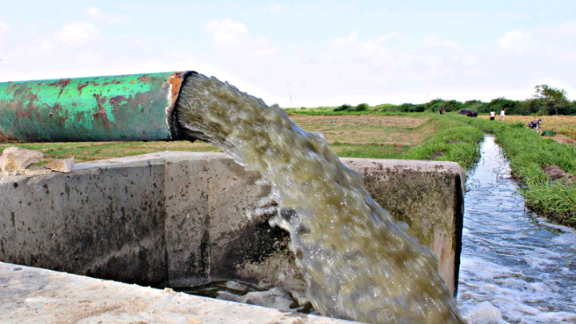
After the year 2000, the situation began to change rapidly. Industrial toxic water and untreated industrial waste were released directly into the river. Slowly, the entire aquatic life collapsed, and almost all water species died. What was once a living stream turned into a polluted channel carrying poison instead of life.
Over the following years, the trees and gardens along the river were cleared, and roads were constructed on both sides of the waterway. The entire landscape changed. The lush green valley that once looked like a dreamland was transformed into a polluted road corridor, stripped of its natural beauty and ecological balance.
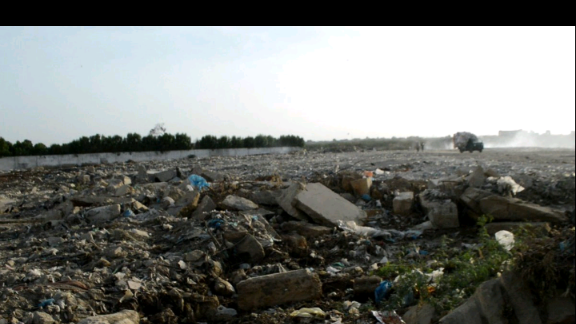
The most critical damage came later, when the present government began using this area as a trash dumping station for the city. In an attempt to reduce the growing piles of garbage, the provincial government started setting fire to the waste, releasing thick smoke and toxic gases into the air. This practice not only destroyed the remaining environment but also became a major cause of air pollution, directly affecting the health of nearby communities.
The Root Cause of Environmental Destruction
After investigating the collapse of this natural ecosystem, the root cause became painfully clear. In an effort to save budget, proper sewerage and drainage canals were never constructed. Instead, untreated industrial wastewater was released directly into the river, destroying its natural balance and permanently damaging the environment. What was presented as a cost-saving decision ultimately proved to be an environmental disaster.
Although a separate sewerage canal could have been constructed along an alternative route to protect the river, the allocated funds were never used for sustainable infrastructure. Instead, corruption consumed the resources that were meant to safeguard nature. Had the provincial government implemented a proper sewerage system, the river and its surrounding ecosystem could have been preserved. In the end, it was not a lack of solutions that killed the environment — it was corruption.
What Is the Solution?
Correcting this situation is still possible, but it requires strong governance and accountability. Governments often rely on international loans to manage economic pressure, and institutions that provide these funds have the ability to set conditions. When financial assistance is linked to transparency, environmental protection, and anti-corruption measures, it can push local authorities to reform harmful practices.
International lenders such as the IMF do not directly change governments, but they can demand structural reforms, stricter oversight, and responsible use of public funds. If environmental safeguards, proper sewerage systems, and anti-corruption policies are made mandatory conditions for financial support, governments are forced to reduce corruption and invest in sustainable infrastructure. In this way, financial accountability can become a tool to protect the environment rather than destroy it.
Empowering Local Communities as Part of the Solution
Inclusion of local population in government departments:
People who live near rivers, forests, and natural resources understand their value better than distant authorities. Including local residents in environmental departments, municipal bodies, and monitoring teams ensures that decisions are based on real ground conditions rather than paperwork.
Community monitoring and reporting systems:
Local communities should be legally empowered to report illegal waste dumping, toxic water discharge, and environmental violations. A transparent reporting mechanism can prevent long-term damage before it becomes irreversible.
Employment through environmental protection programs:
Governments can create jobs by hiring local people for river cleaning, waste management, biodiversity protection, and environmental surveillance. This not only protects nature but also reduces poverty and unemployment.
Decentralized decision-making:
Environmental decisions should not be controlled only by central authorities. Giving partial decision-making power to local councils and community representatives reduces corruption and increases accountability.
Environmental education and awareness at the local level:
Training programs for residents, schools, and community leaders can help people understand how pollution affects health, climate, and future generations. An informed population becomes a natural guardian of its environment.
Legal protection for whistleblowers and activists:
Citizens who expose corruption or environmental crimes must be protected by law. Without safety and legal support, local voices remain silent, allowing destruction to continue unchecked.
Conclusion: When a Living River Becomes a Warning for the Future
The story of this river is not just a personal memory; it is a warning for countless cities across the third world. What was once a living ecosystem full of fish, birds, trees, and wildlife was slowly transformed into a toxic waste channel by poor governance, corruption, and neglect. The destruction did not happen overnight—it was a gradual collapse caused by human decisions, economic shortcuts, and the absence of environmental responsibility.
This river proves that nature does not die naturally; it is killed by ignorance, corruption, and weak systems. A single decision to avoid building proper sewerage infrastructure triggered decades of pollution, biodiversity loss, health risks, and climate damage. What could have been preserved as a natural heritage for future generations became a symbol of environmental failure.
Yet, this story also carries hope. Rivers can be revived, ecosystems can recover, and communities can protect nature when governance is transparent, local people are empowered, and environmental laws are enforced. Financial accountability, community involvement, and environmental education are not optional—they are essential tools to prevent similar disasters.
The river that once flowed like an ocean channel through the city is now a memory, but its lesson must remain alive. If societies continue to ignore nature, cities will lose not only rivers, forests, and wildlife—but also human health, economic stability, and cultural identity. Protecting nature is not a luxury; it is a survival strategy for humanity.
Quote
“A river does not die by nature; it dies by corruption, neglect, and human ignorance.”